
What a drilling machining center is really for
A Drilling Machining Center is one of those machine tools that looks straightforward until you start comparing what it can do against a conventional drill press or a basic milling machine. In production work, the difference is not just speed. It is repeatability, part handling, and the ability to keep drilling, tapping, milling, and finishing in one controlled setup. That matters when a buyer is trying to reduce clamp changes, protect hole position, and keep a batch moving without constant operator intervention.
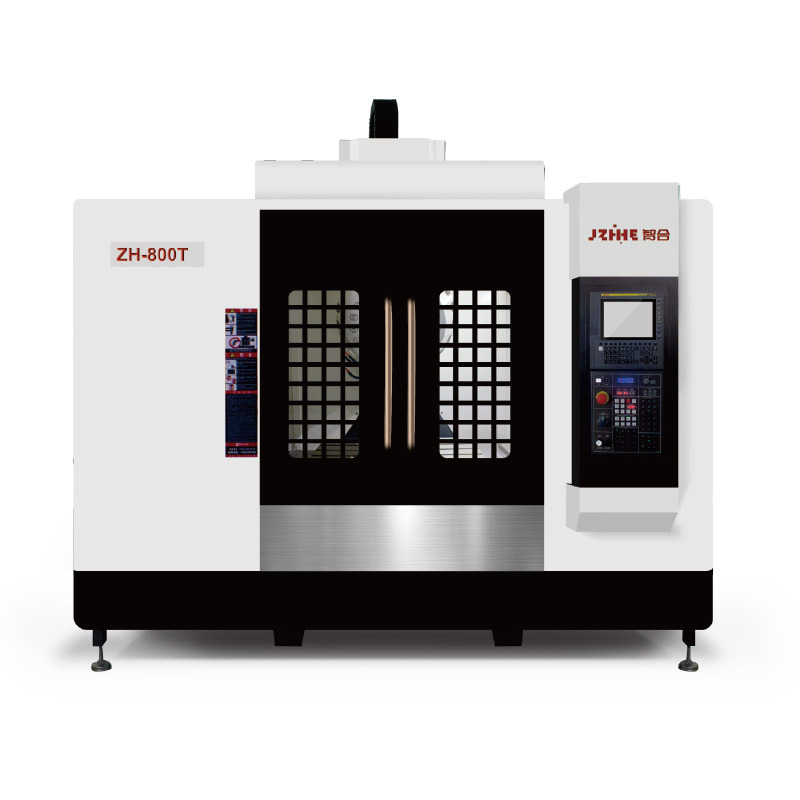
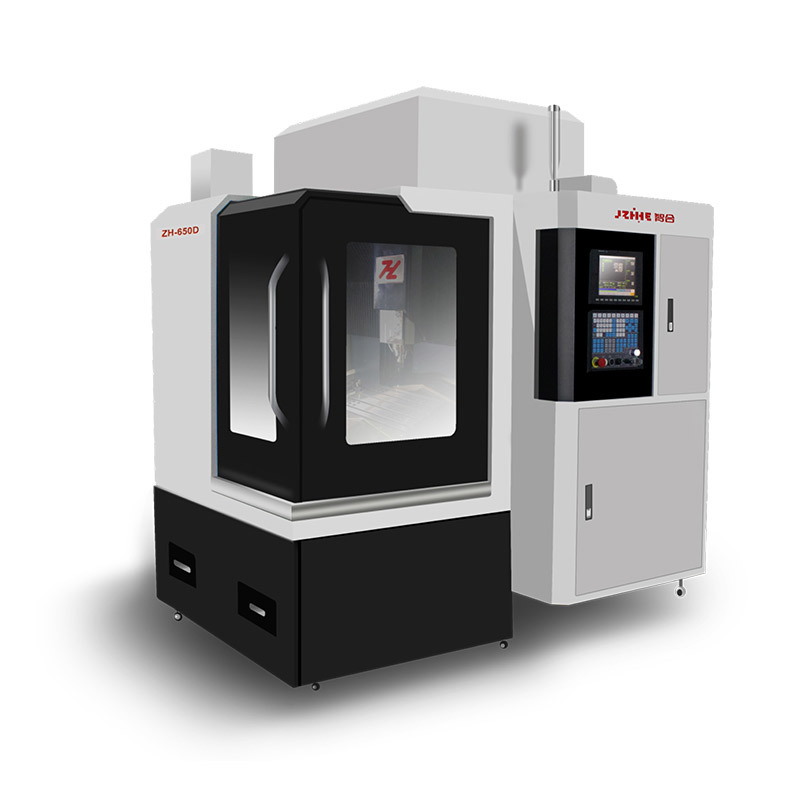
The ZH-800T described here fits that family of machines: a vertical CNC machining center with an enclosed working area, a front safety door, an integrated control panel, and a floor-mounted base with leveling feet. Those details sound ordinary on paper, but they are the features procurement teams and process engineers usually care about first. They tell you the machine is built for shop-floor discipline rather than occasional bench work.
If you are selecting a drilling machining center for automotive components, molds, general machinery parts, or automated equipment parts, the real question is not whether the machine can make a hole. It is whether it can make the same hole accurately, hundreds or thousands of times, without turning the line into a constant adjustment exercise.
Quick take: what buyers usually want from this class of machine
For batch production, the value of a vertical CNC machining center usually comes down to three things: stable structure, efficient tool changes, and predictable operator workflow. The ZH-800T’s enclosed layout suggests the machine is meant to keep chips, coolant, and the operator separated from the cutting zone. That is not a cosmetic choice. It supports safer operation and helps maintain a cleaner working environment, which is especially useful in parts runs that involve repeated drilling and tapping.
The visible industrial finish, boxy enclosure, and central work area point to a machine designed for practical production use rather than showroom styling. That may sound obvious, but it is worth stating because some buyers still overfocus on appearance or headline spindle claims while underweighting accessibility, door clearance, and day-to-day maintenance convenience.
Why drilling, milling, and tapping belong on one machine
When a part needs multiple hole operations, the old approach is often a string of separate stations: drill here, tap there, move to a mill for a face or pocket, then send the part out for deburring or a final finish pass. Each move adds handling time and creates one more chance for location drift. A drilling machining center consolidates those steps into a single machining envelope.
That consolidation has a few practical consequences. First, fixture design becomes easier because the part can stay clamped longer. Second, operators spend less time transferring parts between machines. Third, the process becomes more predictable, which helps when you are trying to plan takt time or build a stable inspection routine. In many shops, that is where the return comes from, not from a dramatic increase in cutting speed alone.
Best fit applications
The supplied information points to automotive components, precision molds, general machinery parts, and automated equipment parts. That is a sensible range. These parts often combine hole patterns, milled faces, and secondary features that need decent surface consistency. A vertical CNC machining center of this type is especially useful where dimensional accuracy matters more than sheer part size.
It is also a sensible choice for batch production rather than one-off repair work. If a shop makes varied but repeatable parts, the ability to store programs, standardize tooling, and route the same family of components through one machine is a real advantage.
What the visible machine design tells a buyer
The ZH-800T is described as a fully enclosed vertical machine with a front sliding or hinged safety door and an integrated control panel on the right side. Those are small details, but they say a lot about how the machine is expected to be used.
The enclosed cabinet supports chip containment and coolant management. The dark windowed safety area helps operators monitor the cut without opening the door repeatedly. The integrated control panel places the interface close to the work zone, which can help reduce wasted movement during setup and program checks. The black base and leveling feet suggest floor-mounted installation and a machine intended to sit as a fixed production asset rather than a portable utility.
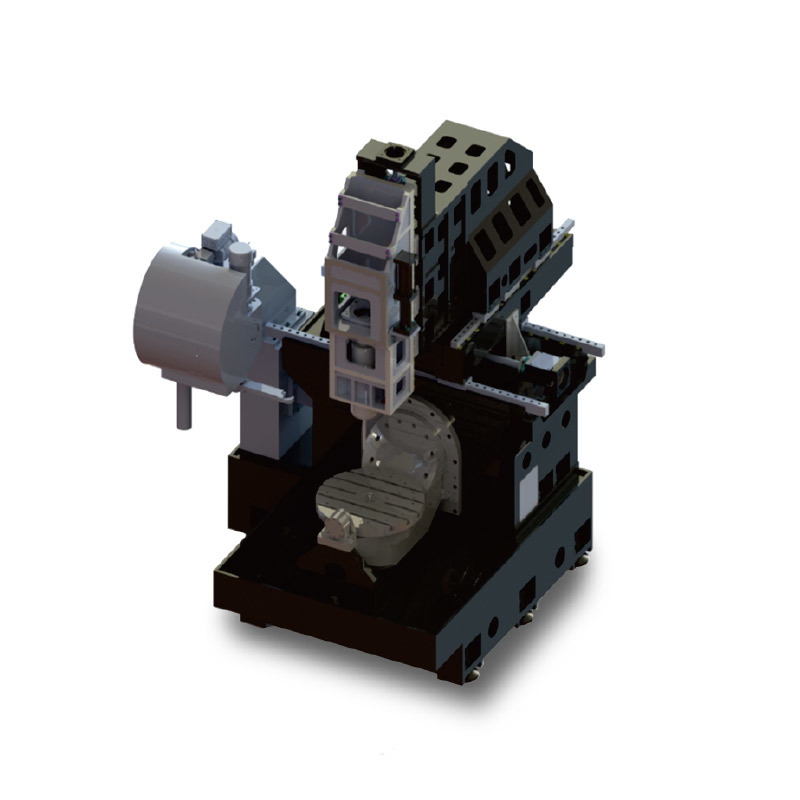
One careful note: the notes also mention a likely high-rigidity vertical architecture, with a cross-slide table and A-shaped column structure. That is a reasonable inference for this class of machine, but it should still be treated as an assumption unless the manufacturer confirms it. Buyers should always separate visible design cues from confirmed technical specifications.
Selection criteria that matter more than glossy specs
Many machine comparisons begin with spindle speed or tool capacity, but experienced buyers usually ask a more practical series of questions first.
1. How well does the machine suit your part family?
A drilling machining center is not selected in isolation. It has to fit the part geometry, fixture strategy, and production volume. If your work is mostly bracket-style parts with repeated hole patterns, the machine’s value is obvious. If your parts are larger, deeper, or need unusual angular access, then the exact axis configuration becomes more important than the brand of control panel.
2. Can it support your quality expectations without overcomplicating the process?
The question here is not whether the machine can perform precision work in theory. It is whether the shop can hold that precision consistently with the people and processes already in place. A fully enclosed CNC machine with servo automation can improve consistency, but only if programming, fixturing, and tool setup are disciplined. Automation does not rescue a loose process.
3. Is maintenance practical in your shop?
Some machines look ideal on a quote sheet and become difficult in daily use because filters are awkward, access is cramped, or the operator interface is hard to navigate. An integrated control panel is helpful only if your team can actually use it efficiently. In production, convenience often decides whether a machine stays productive or becomes a bottleneck.
Common mistakes buyers make with this category
The first mistake is buying for maximum specification instead of actual workload. A shop may not need the fastest spindle or the largest tool magazine if the part family is stable and cycle time is dominated by loading, fixturing, or inspection. Overspecifying can tie up budget that should have gone into fixtures or metrology.
The second mistake is assuming all vertical machining centers are equally suited for drilling-heavy work. They are not. A drilling machining center should be evaluated for tool change behavior, enclosure usability, and how easily the machine supports repeated hole operations across a shift.
The third mistake is ignoring floor planning. The ZH-800T is described as a floor-mounted unit with leveling feet and a cabinet-style enclosure. That means the machine should be planned as a fixed installation. Shops sometimes forget service access, chip removal space, and operator circulation until the machine arrives.
Process details worth asking about before you buy
Because several key specifications are not supplied here, buyers should request them directly rather than infer them from the machine’s appearance. Ask for the axis count, travel range, table size, spindle speed and power, tool magazine capacity, control brand, and any verified accuracy or repeatability figures. If the machine is being compared to another model, make sure the test conditions are comparable. Numbers without context can be misleading.
It is also worth asking how the machine handles chip evacuation, coolant management, and tool change reliability under production conditions. Those are the small problems that show up after the purchase order is signed. On paper they look minor. On the shop floor they decide whether the machine feels smooth or frustrating.
Who should consider a machine like the ZH-800T
This type of drilling machining center is a logical fit for manufacturers who need a compact production workhorse for hole-making and secondary milling operations. That includes automotive suppliers, mold shops with repeated cavity or plate operations, general machinery producers, and automation builders who need consistent part quality in moderate to high quantities.
It is less suited to buyers who need a highly specialized configuration, unusual part access, or a machine meant primarily for very large-format work. For those cases, the right answer may be a different axis arrangement or a larger platform. The important thing is to match the machine to the part flow, not the other way around.
Practical buyer advice
If you are shortlisting a Drilling Machining Center, compare the machines using the same workpiece, the same fixture assumptions, and the same tool sequence. That is the cleanest way to see whether the machine is truly faster or simply better marketed. Ask for photos or diagrams of the working enclosure, control layout, and installation footprint, because those often tell you more about shop usability than a brochure headline does.
For the ZH-800T specifically, the visible features suggest a serious production machine: enclosed cabinet, integrated control, and a form factor built for stable floor installation. The missing specifications still matter, of course, but the structure already points to a machine intended for repeatable metal-cutting work rather than light-duty drilling alone.
Questions buyers should ask before requesting a quote
Can the machine handle my main part family without excessive setup changes? What are the confirmed axis and travel specifications? How is tool change managed in regular production? What does daily maintenance look like? How is chip removal handled? Can the control system be matched to our operator skill level? These are the questions that usually separate a smooth purchase from a rushed one.
If your team is evaluating a drilling machining center for batch production, start with the process, then move to the machine. That sequence saves time, reduces surprises, and usually leads to a better fit for the shop. For the ZH-800T class of vertical CNC machine, the next step is a specification review against your part drawings and fixture plan, not just a glance at the enclosure and a broad promise of precision.