
What a Vertical Machining Center L Series is really for
A Vertical Machining Center L Series machine is usually chosen for one reason: it has to remove metal quickly without losing control of accuracy or repeatability. That sounds broad, but it is exactly why this class of vertical CNC machining center shows up in shops making 5G communication components, automotive parts, medical devices, and other small to medium precision parts. The Vertical Machining Center L Series is less about a flashy specification sheet and more about stable cutting under real production conditions.
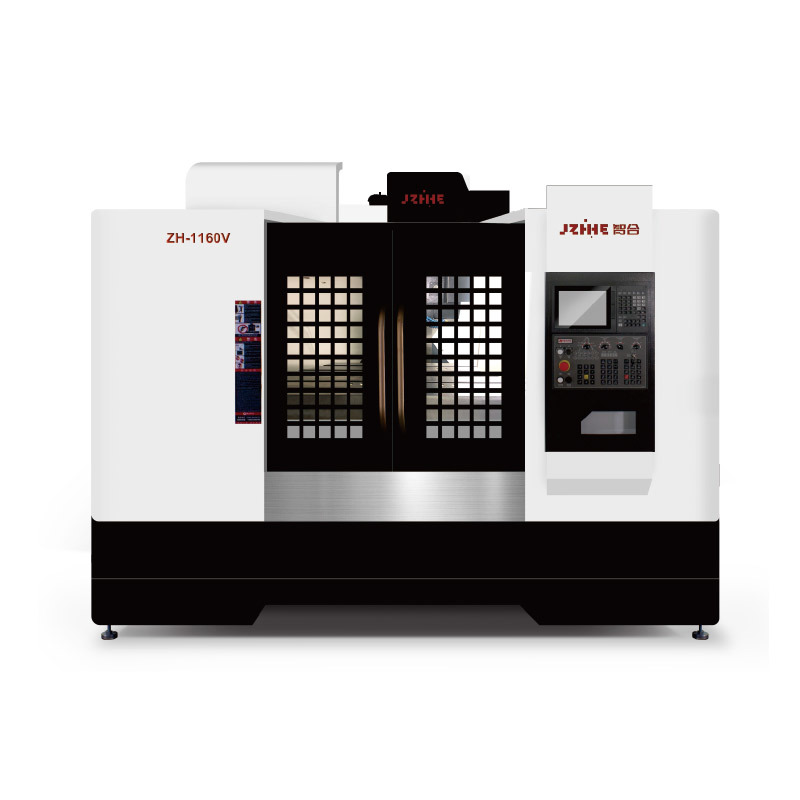
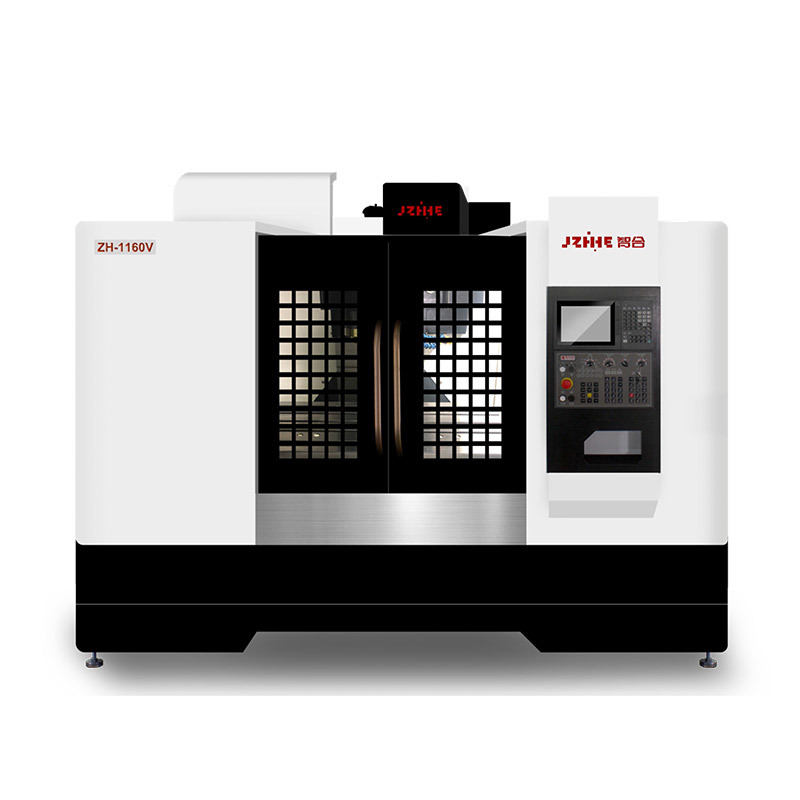
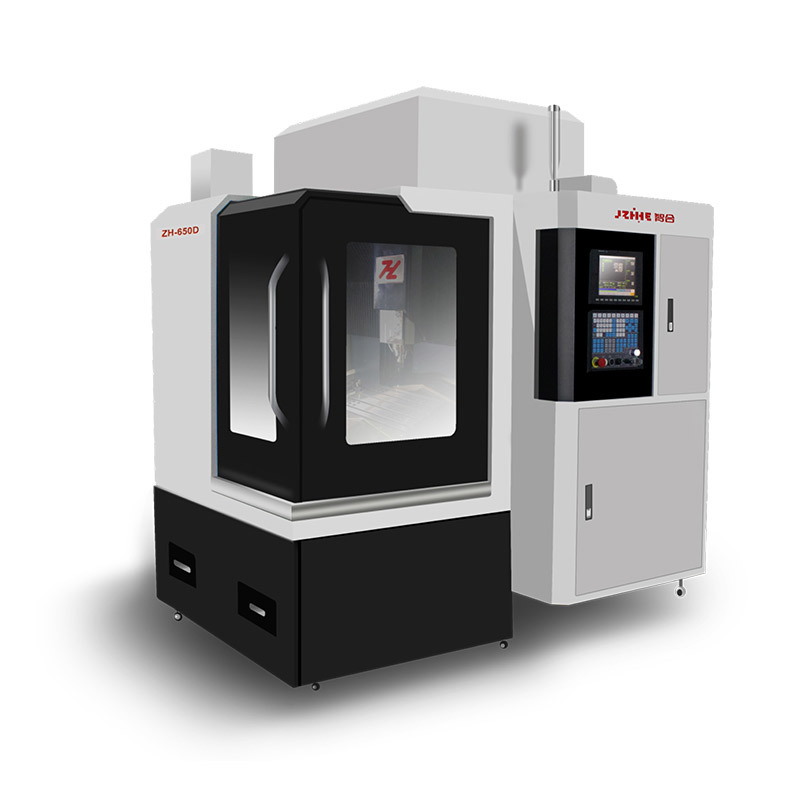
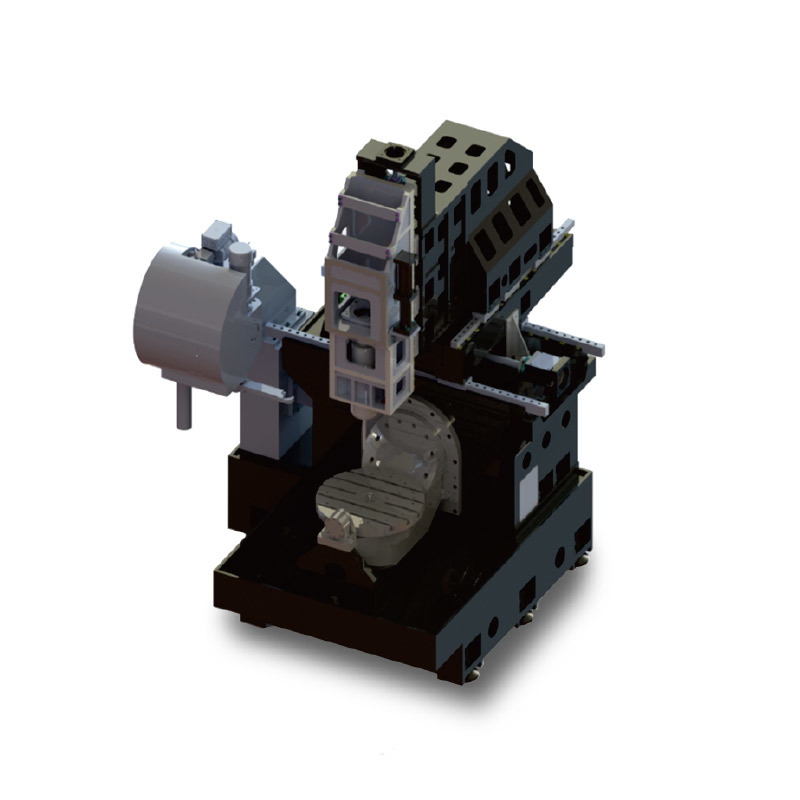
The model marking ZH-1160V suggests a vertical machining center in a compact, enclosed format, with a side-mounted CNC control panel, front-access double doors, and a rigid industrial frame. From the supplied product notes, the design emphasis is clear: fixed-column construction, an extra-large monolithic base, a high-rigidity cross-slide table, and roller linear guides on the X, Y, and Z axes. For buyers, those design choices matter because they usually translate into smoother movement, better chip handling, and fewer surprises during longer shifts.
Why this machine type matters to buyers
In practical sourcing terms, a vertical machining center has to balance three things that are often in tension: stiffness, speed, and footprint. If the machine is too lightly built, it may cut quickly but leave surface problems or vibration marks. If it is too heavy and slow, it may be accurate but difficult to justify for volume work. The supplied notes point to a machine built for high-speed operation with stability as the priority, which is a sensible direction for shops that cannot afford inconsistent part quality.
That is especially relevant for precision components where chip evacuation and thermal stability can affect yield. A rear-mounted coolant and chip removal system is not a glamorous feature, but anyone who has had chips recut on a long unattended cycle knows why it matters. In production work, small details around enclosure layout and coolant flow can influence tool life and finishing consistency more than people expect.
Key design features to notice
Rigid frame and fixed-column structure
The supplied structure notes describe a fixed-column, integral machine body with a wide-span A-frame column and a monolithic base. In plain language, that is the kind of architecture buyers look for when they want the machine to resist chatter and hold geometry under load. It is a common choice for metal cutting where the part is not huge, but the machining demands are unforgiving.
Roller linear guides on all three axes
Roller linear guides are often selected when the machine must move smoothly under higher cutting forces. They are not the only way to build a vertical machining center, and they are not automatically “better” in every situation, but they do support the high-rigidity, high-speed positioning style described in the product notes. For shops doing repeated drilling, tapping, and finishing passes on small precision parts, this can be an important performance trait.
Enclosed layout with front access
The visible cabinet-style enclosure, double front doors, and dark grid-pattern panels suggest a machine designed with operator safety and part visibility in mind. That is not just a plant-floor comfort issue. Better access and visibility can reduce setup mistakes, help during first-piece inspection, and make daily cleaning less painful than it should be. The side-mounted control panel also matters because it keeps the operator interface away from the main working envelope.
Where this type of machine fits in production
Buyers considering a Vertical Machining Center L Series machine are usually looking at repetitive, accuracy-sensitive work rather than one-off heavy roughing. The product notes point toward applications such as 5G communication components, automotive parts, medical devices, and small precision components. Those are not identical markets, of course, but they all share a need for repeatability and clean machining behavior.
For 5G-related hardware, the concern is often compact geometry and consistent dimensional control. In automotive work, it may be cycle time, stable tool life, and the ability to keep parts within specification over long runs. For medical device components, clean cutting and predictable surface finish can become especially important, though the exact requirements depend on the part and process route. This machine category is best viewed as a production tool for controlled milling environments, not a universal answer for every shop floor.
How to judge whether the machine suits your job
Since the supplied data does not include spindle power, spindle speed, table size, travel, controller brand, or tool magazine capacity, a buyer should not assume suitability based on the model name alone. That is a common mistake. Two machines with similar outer shells can behave very differently once cutting starts.
Instead, start with the workpiece. Ask what the part material is, how much material must be removed, whether the part demands fine finishing, and how often the machine will run unattended. Then match those needs against the machine’s known strengths: rigid base, linear guide support, compact footprint, and chip/coolant management. If the job involves frequent chip evacuation, medium-sized batches, and a premium on surface finish, this style of machine is a reasonable candidate. If the application requires very large parts or unusually deep cavities, the buyer should verify capacity before moving forward.
Quick buyer comparison: what to prioritize
When comparing a Vertical Machining Center L Series machine with other vertical CNC options, it helps to focus on a few practical points rather than marketing language.
Look first at rigidity. A rigid frame and heavy base are useful if your parts are unforgiving or your material is tough. Then look at motion system quality. Roller linear guides generally suit high-speed production better than lightweight approaches, especially when the goal is to keep motion smooth during repeated cycles. After that, study chip evacuation and coolant handling. Shops often underestimate this until chips start building up in corners and production begins drifting. Finally, think about ergonomics. A front-access enclosure and side-mounted control panel can save time every single day, which is not dramatic but is very real.
Common mistakes when buying this class of machine
The first mistake is treating every vertical machining center as interchangeable. They are not. A compact machine with a rigid frame may be excellent for precision components and still be a poor fit for oversized fixtures or unusually heavy cuts.
The second mistake is over-focusing on headline speed and ignoring the structure around it. Speed without stiffness can create more scrap, not less. The third mistake is neglecting chip and coolant management. It is easy to dismiss rear-mounted chip removal as a secondary feature until the machine starts making real parts and maintenance time becomes visible. A fourth, quieter mistake is forgetting the operator. If the control panel is awkward, access is poor, or cleaning is tedious, the machine will feel slower than the numbers suggest.
Practical questions to ask before purchase
Because several key specifications are not supplied here, a serious buyer should request them directly. Ask for spindle details, axis travel, table capacity, controller configuration, and tool magazine size. Also ask how the enclosure is arranged for maintenance access and how coolant and chip evacuation are handled in standard configuration.
If your parts require stable high-speed cutting, ask how the machine is set up to support that duty cycle. If the work involves medical or automotive components, ask how repeatability is maintained over longer runs and what routine checks the supplier recommends. Those are straightforward questions, but they reveal whether the machine is being matched to the application or just sold as a generic vertical mill.
What the visible build suggests about shop-floor use
The visual impression of the ZH-1160V is that of a compact, enclosed production machine rather than a bulky general-purpose mill. The white and black sheet-metal exterior, brushed lower trim, and rectangular cabinet form point to a modern industrial package built for controlled environments. That matters because many buyers are not just purchasing cutting capacity. They are buying a machine that has to fit into a line, survive daily operation, and be practical for operators and maintenance staff.
The rear upper housing for chip and coolant handling also hints at a production-minded layout. In the real world, that often means less manual cleaning and less interruption during a shift. It is not a cure-all, and no enclosure design eliminates housekeeping entirely, but it does help keep the machine usable when the job gets messy.
FAQ for sourcing and engineering teams
Is the Vertical Machining Center L Series only for small parts?
Not necessarily, but the supplied description points most strongly toward small to medium precision parts. Without confirmed travel and table data, it is safer to view it as a compact production machine rather than a large-format machining platform.
Is this machine suitable for high-volume work?
Based on the design notes, yes, it appears intended for high-speed, repeatable machining. The rigid structure, linear guides, and chip management features all support that kind of use. Actual output still depends on tooling, programming, material, and the verified machine specifications.
Should a buyer care about the enclosure design?
Yes. Good enclosure access affects operator safety, setup time, cleaning, and first-piece checking. A well-designed machine can save time in ways that never show up on the first quotation.
Next step for buyers
If you are evaluating a Vertical Machining Center L Series machine for a new line or a replacement project, start by mapping the machine to your part family, not to a catalog description. Confirm the exact spindle, travel, table, control, and automation details, then test the fit against your material removal rate and quality target. The machine’s visible structure already suggests a strong emphasis on rigidity and production usability; the remaining question is whether the invisible specifications match your process.
For sourcing teams, that is the right next move: request the full technical sheet, compare it against the actual part mix, and press the supplier on the details that affect uptime rather than the ones that sound good in a brochure.