
Why a Milling Machining Center Matters When the Part Can’t Forgive Mistakes
A Milling Machining Center is often chosen for one simple reason: the part has too much at stake for a loose, noisy, or inconsistent process. When you are machining 3C electronic casings, optical molds, medical device components, precision hardware, or composite parts, the gap between “good enough” and “rejected” can be very small. Surface finish, edge quality, repeatability, and thermal stability all start to matter at the same time.
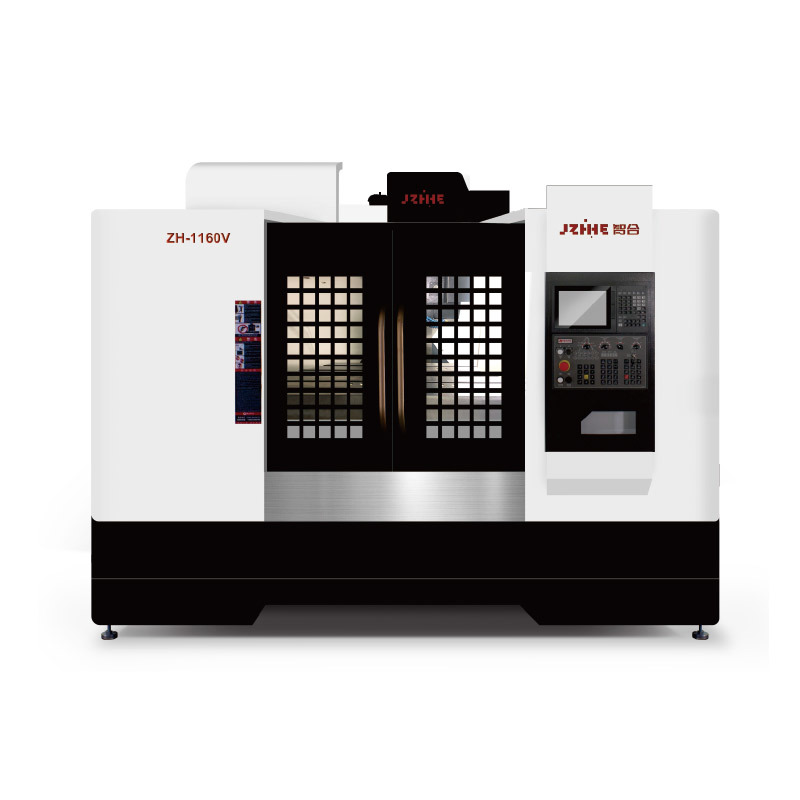
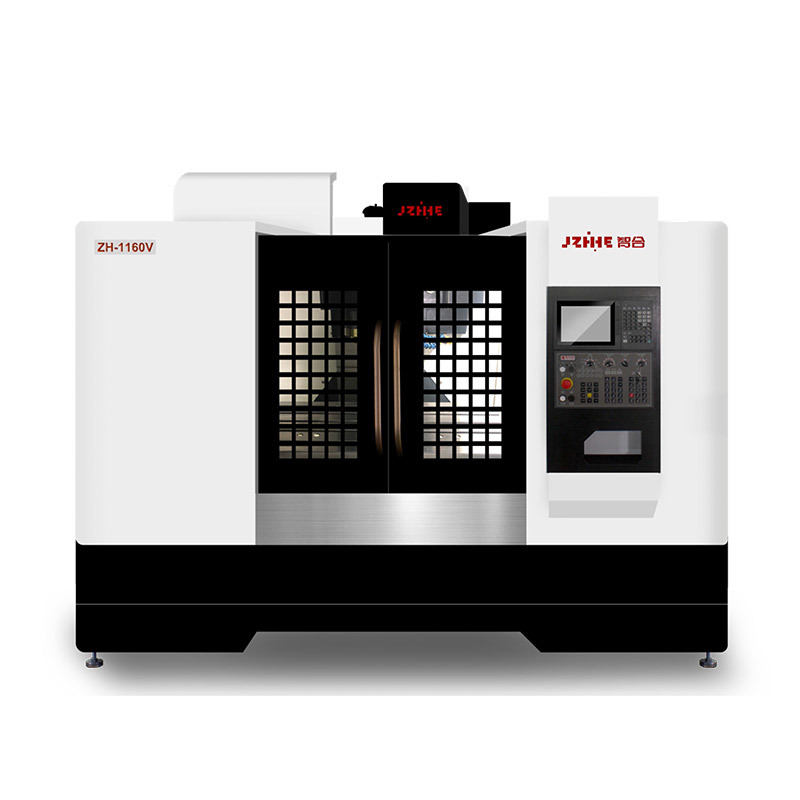
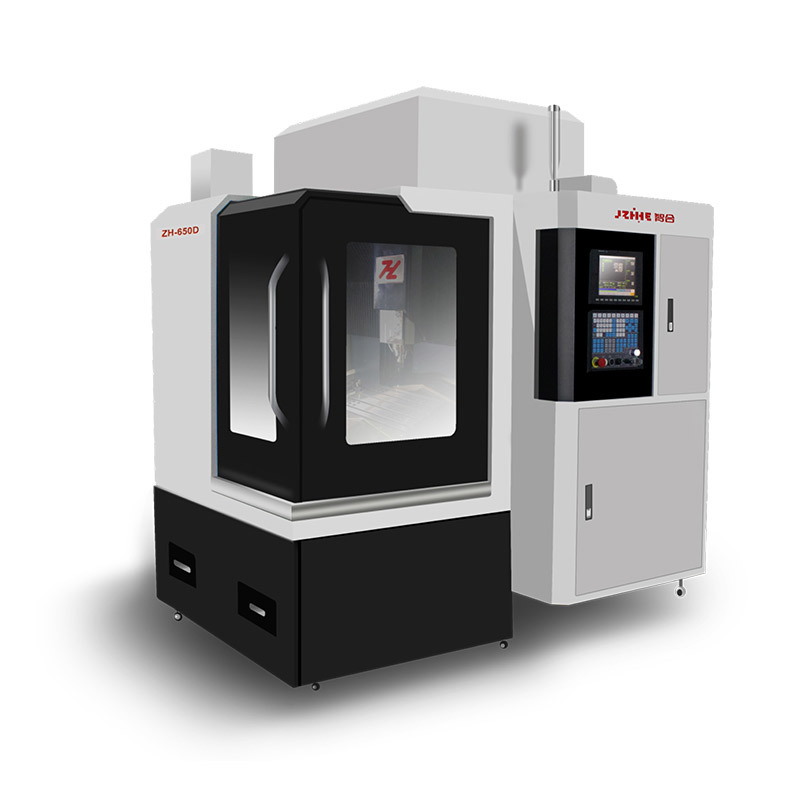
The machine described here is a fully enclosed CNC engraving and milling machine with a compact, rigid, gantry-style structure and a fixed-beam frame. That combination tells buyers something useful before they ever look at a spec sheet: it is built for stable precision work, not for rough, high-volume hogging. The enclosed design also helps with chip control, dust isolation, and splash containment, which is not a minor comfort feature. In fine machining, cleanliness affects tool life, inspection consistency, and the operator’s ability to trust the process.
If you are trying to decide whether this class of equipment fits your production, the real question is not whether it can cut metal. It is whether it can hold its behavior long enough to make the same part again and again, with a surface that does not need to be rescued downstream.
What the Enclosed CNC Engraving and Milling Machine Is Built to Do
This machine category sits in the precision vertical machining family, but with a clearer emphasis on engraving, contouring, and fine milling of small to medium workpieces. The visible structure is a boxy enclosed machine with front-loading access through double hinged protective doors and a separate side-mounted control cabinet or panel. That layout is common in shops that need a controlled cutting environment and operators who want better chip management around detailed work.
The notes indicate a high-speed electric spindle in the range of 18,000 to 24,000 rpm typical. That matters because a high spindle speed is often what makes fine engraving and smooth surface generation practical on small features, thin walls, and intricate curves. It does not mean the machine is automatically suitable for every cutting job, and it certainly does not replace rigidity, fixturing, or tool selection. A fast spindle with poor structure is still a poor machine. The point here is that the enclosure, fixed-beam gantry, and internal reinforcement are intended to support that speed with less vibration and less thermal drift during long runs.
Quick Buyer Takeaways
For sourcing teams and process engineers, the biggest decision is whether the machine aligns with the part family you actually run, not the part you wish you ran.
It is a stronger fit when you need:
- Fine surface finish on small to medium parts
- Repeatable engraving or contouring work
- Better chip and dust isolation around sensitive components
- Reduced vibration during precision cuts
- A compact enclosed machine footprint for controlled production areas
It is less persuasive when your main need is aggressive stock removal, oversized work envelopes, or a configuration that demands features not visible in the provided machine description, such as a specific axis count or automated tool-changing system. Those may exist in some variants, but they should not be assumed here.
Why Enclosure and Frame Stiffness Are Not Cosmetic Features
Buyers sometimes focus too quickly on spindle speed and ignore the structure around it. That is a common mistake. In a Milling Machining Center used for precision work, enclosure and rigidity are part of the accuracy story. The fully enclosed design helps keep chips, dust, and coolant mist away from the shop floor and away from the operator. More importantly, it creates a more stable environment around the cutting zone, especially for longer jobs where heat and debris accumulate.
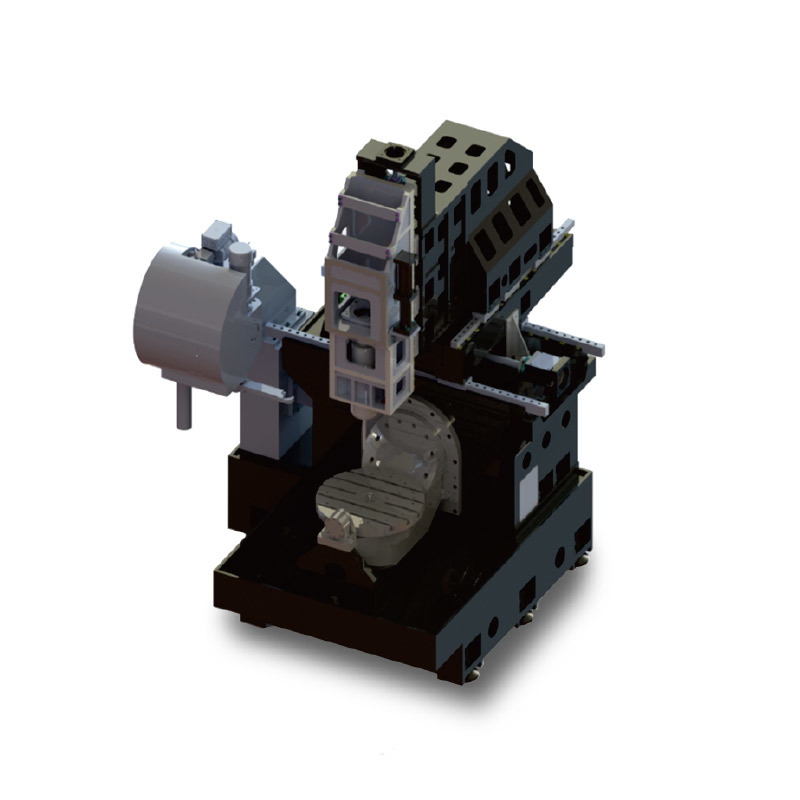
The fixed-beam gantry-style frame is another practical clue. Fixed-beam structures are generally chosen when stiffness and load stability are valued over machine flexibility. In plain terms, the machine is trying to resist the small deflections that show up as chatter, poor edge definition, or tiny but expensive dimensional drift. The notes also mention internal reinforcement, which is the sort of detail buyers often overlook until they compare part quality across shifts and find that a rigid machine simply makes life easier.
There is a caveat, though. A rigid frame does not guarantee precision by itself. Tooling, workholding, spindle condition, thermal management, and operator setup still matter. The machine gives you a better baseline; it does not erase process discipline.
Where This Type of Machine Fits in Real Production
3C electronics and casings
Small housings, frame components, decorative surfaces, and fine edge features benefit from the high-speed spindle and enclosed cutting zone. When cosmetic quality matters, surface consistency is often as important as nominal accuracy.
Optical molds
Optical work is unforgiving. Even when the final polishing stage exists, the machining stage has to leave a clean, controlled surface. That is where stiffness, spindle smoothness, and thermal steadiness become central.
Medical device parts
Medical components can demand clean edges, careful dimensional control, and repeatable batches. The fully enclosed setup is especially useful in shops that want a cleaner machining environment around delicate parts.
Precision hardware and composites
Precision hardware often needs a blend of detail and repeatability, while composites present their own challenges with dust and edge quality. An enclosed machine can help contain debris, though the tooling and cutting parameters must still be matched to the material.
How to Evaluate a Milling Machining Center Before You Buy
For a buyer, the right evaluation starts with the part, not the brochure. Bring actual samples, printouts, and surface requirements into the discussion. Then test whether the machine’s structural and spindle characteristics support the geometry you need.
Pay attention to the following points:
- The rigidity of the frame and gantry, especially for fine contouring
- The usefulness of the fully enclosed work zone for chip isolation and cleanliness
- The practical implications of a high-speed electric spindle for your material set
- Access to the work area through the front doors for setup and inspection
- The control layout and whether operators can work efficiently without awkward reach or clutter
Also ask what is not visible. The exact axis configuration, control system, spindle power, work envelope, guideway type, and cooling details are not supplied here, so a responsible buyer would confirm those items directly with the machine builder or seller. That is not a weakness in the article; it is how you avoid a very expensive misunderstanding.
Common Mistakes Buyers Make
One frequent mistake is treating all milling equipment as interchangeable. A machine that is perfect for rough machining large plates may be poor for engraving small, detailed features. Another is assuming that a high rpm spindle automatically means better results. In reality, high spindle speed only pays off when the machine’s rigidity, balance, tooling, and thermal behavior support it.
Another trap is ignoring enclosure quality. If chips escape too easily or the cutting zone is hard to clean, operators lose time and parts become harder to inspect. On precision jobs, that operational friction adds up quickly. A final, practical warning: do not buy based on a promised capability that is not visible in the machine description. If the supplier has not clearly stated the axis configuration, automation package, or accuracy values, treat those as open questions, not assumptions.
What a Good Supplier Conversation Should Cover
The best machine purchase conversations are unglamorous. They sound more like process engineering than sales. You want to know how the machine behaves in the kinds of jobs you actually run, how it is cleaned, what kind of maintenance access it offers, and how much training the control interface requires.
For this machine class, it is also worth asking how the enclosure handles chip containment during long runs, whether thermal stability is actively supported by the machine design, and how the spindle performs across the speed range you expect to use. If your parts include thin walls, small pockets, or intricate surfaces, ask for examples that are close to your own geometry. Not a polished showcase part from a different industry. Something close enough to be meaningful.
FAQ
Is a Milling Machining Center the same as a standard CNC mill?
Not exactly. The terms overlap, but this machine description points to a precision-oriented enclosed CNC engraving and milling setup, with features that favor fine work, chip control, and stable operation.
Why does the enclosed design matter so much?
Because it helps isolate dust, chips, and splash from the work area and surrounding shop. In precision production, that improves cleanliness and can support more consistent machining conditions.
Can this machine handle both engraving and milling?
That is the intended use based on the provided information. The high-speed spindle and rigid frame suit fine engraving, contouring, and precision milling, especially on smaller parts.
Should I assume it is a 3-axis or 5-axis machine?
No. The axis configuration is not visible in the provided information and should be confirmed directly before any buying decision.
A Practical Next Step
If your parts depend on clean edges, stable repeatability, and a controlled machining environment, this type of Milling Machining Center is worth a serious look. The real task is to match the machine’s rigid enclosed structure and high-speed spindle behavior to your materials, your part geometry, and the surface finish your downstream process can accept.
Before you move ahead, compare your part drawings against the machine’s visible strengths and ask for the missing specifications in writing. That small discipline often separates a useful production asset from an expensive machine that never quite fits the job.